

Best Japanese Toner Guide: 10 Face Toners Compared by Skin Type
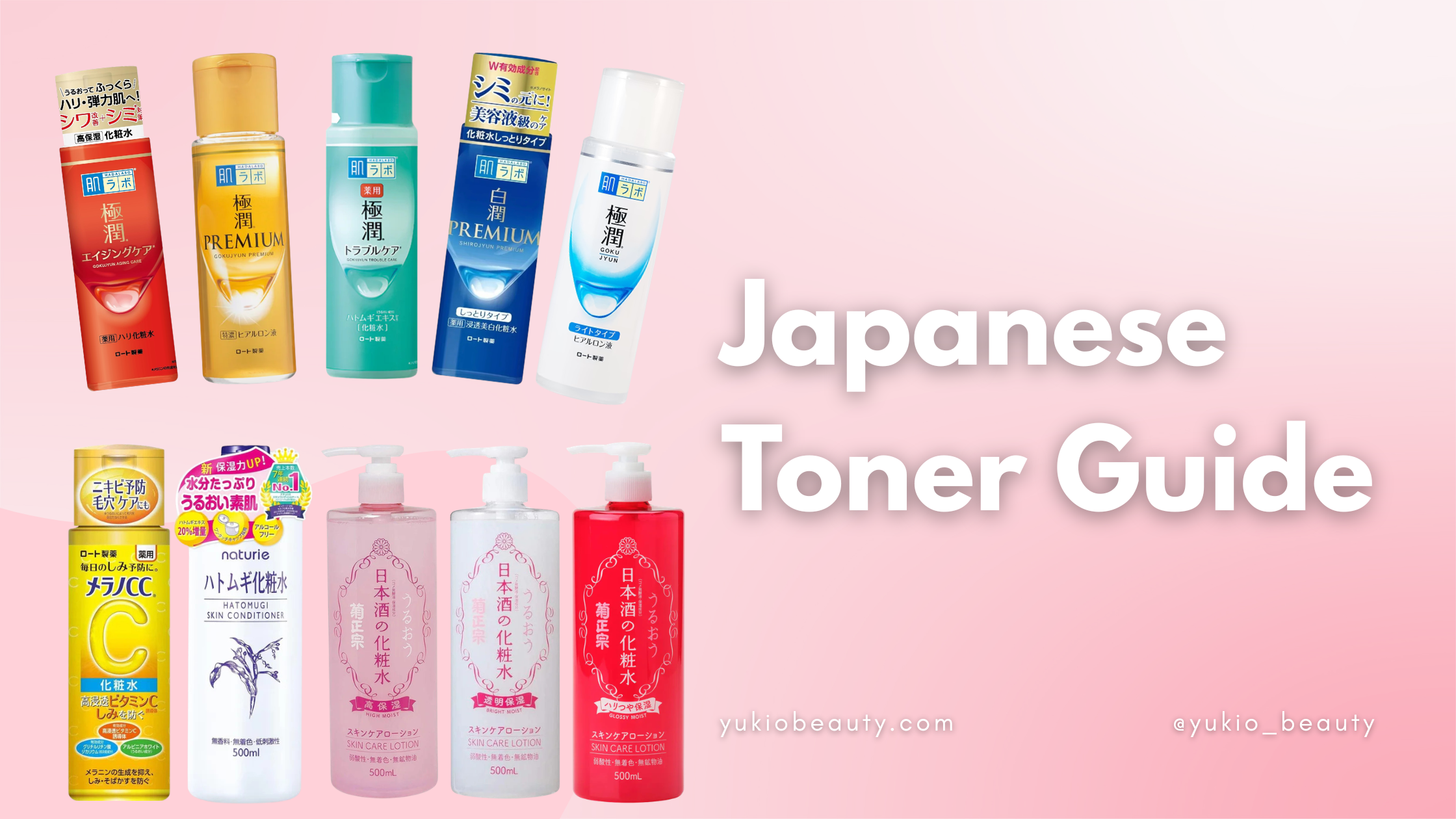
Which Japanese face toner is right for your skin concern — every product from Hada Labo, Melano CC, Kikumasamune, Pair Acne, and Naturie compared in plain English.
If you have been trying to figure out which Japanese face toner to buy, you are not alone. The category is enormous and the options can feel overwhelming fast. Hada Labo alone has six different toners. Melano CC has a toner and a serum and a cream. Kikumasamune has three variants. And then there is Naturie, which most people in the US have never heard of but has been a bestseller in Japanese drugstores for decades.
This guide covers 12 Japanese skin care toners available at Yukio Beauty. Whether you need a Japanese hydrating toner, a Japanese brightening toner, a Japanese vitamin C toner, or a medicated formula for acne-prone skin, every option is matched to a specific skin type and concern so you can find the right one without guessing. No science degree required.
One quick note on terminology before we get started. In Japanese skincare, a toner is called a "lotion" — so a Japanese lotion and a Japanese toner are the same thing. If you have ever searched "japanese lotion toner" or "japanese lotion vs toner," this is the answer: they refer to the same step. When you see "lotion" on a Japanese product label, it is the liquid toner step, not a thick moisturizing cream.
In This Guide
- What is a Japanese toner and how is it different?
- Brand 1: Hada Labo — Japan's hyaluronic acid authority
- Brand 2: Melano CC — vitamin C spot-fading since 2014
- Brand 3: Kikumasamune — sake-derived skincare since 1659
- Brand 4: Lion Pair Acne — Japan's acne treatment authority
- Brand 5: Naturie — minimalist Japanese botanicals
- Quick-pick guide by skin concern
- FAQ
What Is a Japanese Toner and How Is It Different?
A Japanese toner, called a lotion in Japan, is applied right after cleansing to prep skin for the rest of your routine. Where many US toners focus primarily on removing residue or balancing pH, Japanese toners go further. They are formulated to actively hydrate, treat, and address specific skin concerns at the very first step of your routine.
Most Japanese toners are water-based and absorb quickly. They are applied by patting directly into the skin with your hands or by pressing in with a cotton pad. Because Japanese skincare philosophy emphasizes layering thin, active products rather than relying on one heavy moisturizer, the toner step is considered one of the most important in the entire routine.
The other major difference is ingredient quality. Japanese toners regularly contain quasi-drug active ingredients, meaning ingredients approved by Japan's Ministry of Health, Labour and Welfare for specific skin benefits like brightening or acne prevention. This is a higher regulatory standard than regular cosmetics, and it is a big part of why Japanese toners consistently outperform many Western alternatives in long-term results.
Brand 1: Hada Labo — Japan's Hyaluronic Acid Authority
Hada Labo is made by Rohto Mentholatum and has been the best-selling facial lotion brand in Japan for over 20 years. The brand is best known for its hyaluronic acid formulas, and a Hada Labo japanese hyaluronic acid toner has become the go-to starting point for millions of people new to Japanese skincare. All Hada Labo products are free from fragrance, alcohol, mineral oil, and colorants, making them one of the most universally tolerated skincare brands available. They carry six toners at Yukio Beauty, each targeting a different skin concern.
Hada Labo Gokujyun Hyaluronic Acid Lotion

Best for: All skin types, especially normal to oily skin and beginners.
This is the classic Hada Labo toner and the one most people start with. It contains four types of hyaluronic acid, each with a different molecular weight, so the hydration works on the surface and deeper layers of the skin at the same time. The formula is fragrance-free, alcohol-free, and absorbs almost immediately without any stickiness. It is one of the most straightforward, reliable toners in Japanese skincare and a strong first choice if you are new to J-beauty or just need dependable everyday moisture.
Good for: All skin types, J-beauty beginners, anyone who wants reliable hydration with zero actives.
Skip if: You are looking for brightening or anti-aging benefits at this step.
Tip: Pat it into the skin with your palms rather than sweeping with a cotton pad for better absorption.
Hada Labo Gokujyun Premium Hydrating Lotion (170ml)

Best for: Dry, dehydrated, or sensitive skin that needs richer hydration.
The Premium is the upgraded version of the classic Gokujyun, with seven types of hyaluronic acid instead of four. The texture is noticeably thicker and more essence-like, and it leaves skin feeling deeply plump and cushioned rather than simply refreshed. It also contains nano-hyaluronic acid, a smaller HA molecule that penetrates further into the skin than standard HA. If your skin always feels dry or tight no matter what you put on it, this is the upgrade worth making.
Good for: Dry or dehydrated skin, cold and dry climates, skin that still feels tight after the regular Gokujyun.
Skip if: Your skin is oily or you find essence-weight textures too heavy.
Tip: Use this as your second toner layer if you are double-toning. It works beautifully as the richer finishing step.
Hada Labo Gokujyun Aging Care Firming Lotion

Best for: Mature skin with fine lines, age spots, or loss of firmness.
This is the most active of the Gokujyun toners and the closest thing to a japanese niacinamide toner in the Hada Labo lineup. It combines three types of hyaluronic acid with niacinamide, a vitamin B3 ingredient that firms skin, minimizes the look of pores, and helps fade age spots and uneven tone over time. It is classified as a quasi-drug in Japan, which means it contains active ingredients recognized by Japan's Ministry of Health, Labour and Welfare for specific anti-aging benefits. If you are starting to see fine lines, dullness, or early changes in skin texture and you want hydration and active anti-aging in a single toner step, this is the one to reach for.
Good for: Skin in its 30s, 40s, and beyond; anyone dealing with early signs of aging alongside dehydration.
Skip if: You are already layering multiple niacinamide or active ingredients elsewhere in your routine.
Tip: Use morning and evening for consistent results. Pair with a broad-spectrum SPF in the morning to protect the skin improvements you are working toward.
Hada Labo Gokujyun Trouble Care Skin Conditioning Lotion (170ml)

Best for: Oily, combination, or breakout-prone skin that needs calming hydration.
The Trouble Care toner is formulated specifically for skin that tends to break out. It uses a calming ingredient derived from licorice root that reduces inflammation and helps prevent new breakouts from forming, alongside hyaluronic acid for lightweight moisture. The formula is oil-free, fragrance-free, and absorbs quickly without any heaviness. It is the right choice when your skin needs hydration but you cannot afford to add anything that might clog pores or trigger more breakouts.
Good for: Oily or acne-prone skin, anyone dealing with reactive or post-breakout skin.
Skip if: Your concern is brightening or aging rather than breakout prevention.
Hada Labo Shirojyun Arbutin Whitening Lotion (170ml)

Best for: Normal to oily skin with dullness or mild uneven tone.
A note on the word "whitening" on this product: in Japanese beauty, whitening is a translation of the word bihaku, which means brightening and radiance. It refers to making skin look more even and luminous, not changing your skin's natural pigmentation. The Shirojyun Arbutin toner uses arbutin, a brightening ingredient that targets dark spots, alongside a vitamin C derivative and hyaluronic acid. The formula is lightweight and a solid entry-level brightening toner for anyone whose skin is generally healthy but looks a little dull or uneven.
Good for: Normal to oily skin, anyone who wants gentle brightening without strong actives.
Skip if: You have stubborn or deep dark spots. The Shirojyun Premium will give you stronger results.
Hada Labo Shirojyun Premium Brightening Lotion (170ml)

Best for: All skin types with stubborn dark spots, acne marks, or sun damage.
The Premium Shirojyun is the most powerful brightening toner in the Hada Labo line. It combines tranexamic acid, alpha-arbutin, a vitamin C derivative, and niacinamide into a single toner step. Each of these ingredients targets pigmentation through a different mechanism, so the formula works on multiple pathways at once to fade existing dark spots and prevent new ones from forming. It is classified as a quasi-drug in Japan, which means its active ingredients meet Japan's Ministry of Health, Labour and Welfare standard for brightening efficacy. If you have tried gentler brightening products and not seen the results you were expecting, this is the upgrade.
Shirojyun vs Shirojyun Premium: Go with the regular Shirojyun if your skin is generally even and you just want a glow boost. Go with the Premium if you have visible dark spots, post-acne marks, or sun damage that has not responded to lighter formulas.
Tip: Always follow with SPF in the morning. Brightening actives work faster when UV rays are blocked from triggering new melanin production.
Which Hada Labo toner is right for you? Just hydration, start with the Gokujyun. Dry or dehydrated skin, try the Gokujyun Premium. Breakout-prone skin, go with the Trouble Care. Aging concerns, reach for the Aging Care. Dull or slightly uneven skin, the Shirojyun Arbutin is your entry point. Stubborn dark spots or acne marks, step up to the Shirojyun Premium.
Brand 2: Melano CC — Vitamin C Spot-Fading Since 2014
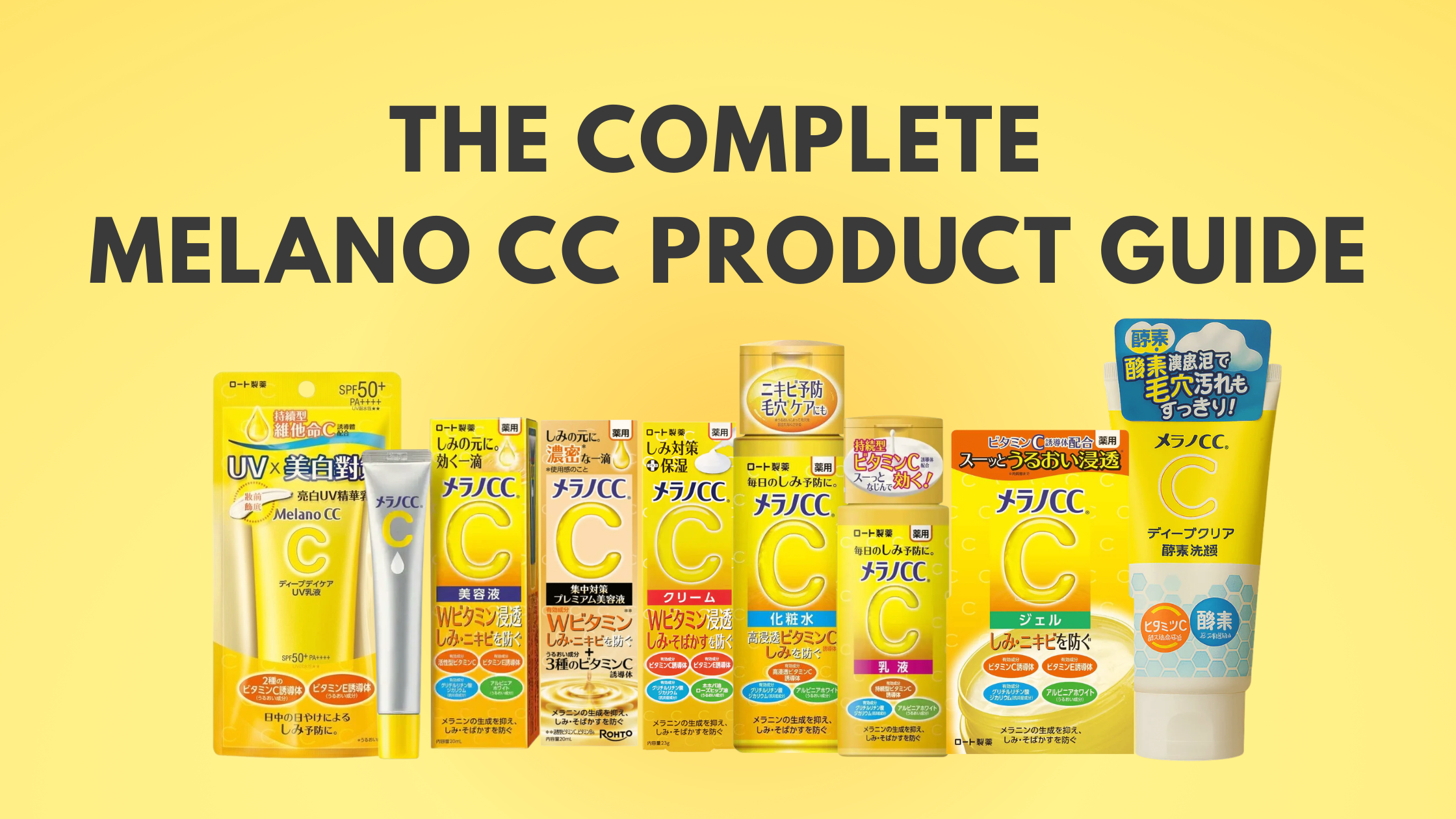
Melano CC is made by Rohto Mentholatum and has been Japan's most trusted vitamin C skincare line since the brand launched its now-iconic essence in 2014. The brand is known for using high-penetration vitamin C actives at accessible prices, and their japanese vitamin c toner is one of the most popular japanese brightening toners on the market. Most of the line holds quasi-drug status in Japan, meaning its active ingredients are recognized by Japan's Ministry of Health, Labour and Welfare for brightening and anti-acne benefits. If your primary skin concern is dark spots, post-acne marks, or uneven tone, Melano CC belongs in your routine.
Melano CC Vitamin C Brightening Lotion

Best for: All skin types with dark spots, post-acne marks, or uneven tone.
This is the toner in the Melano CC lineup and it is built around one goal: getting vitamin C deep into skin where it can suppress melanin production and fade discoloration. It uses 3-O-ethyl ascorbic acid, a highly stable vitamin C derivative known for strong skin penetration, alongside a calming ingredient from licorice root that reduces redness and inflammation. It has a light citrus scent from grapefruit and lemon extracts, which is characteristic of the Melano CC line. Use it after cleansing as your first treatment step, and follow with the Melano CC essence if you want to double up on vitamin C at the serum step as well.
Good for: Anyone already using the Melano CC essence who wants to layer vitamin C from the toner step; anyone new to the line who wants to start with the most accessible entry point.
Skip if: You are very sensitive to citrus scents or your skin is highly reactive to actives.
Tip: This toner is the foundation of the Melano CC routine. Always finish your morning routine with SPF to protect the brightening progress you are building.
Brand 3: Kikumasamune — Sake-Derived Skincare Since 1659
Kiku-Masamune Sake Brewing has been making sake in Japan since 1659, making them one of the oldest sake houses in the country. The brand is known for a discovery their brewers made centuries ago: the hands of workers who handled fermented rice daily stayed remarkably soft and youthful-looking compared to the rest of their skin. That observation led to the development of a skincare line built around the amino acids found in fermented rice. Their japanese sake toner has been a staple in Japanese beauty routines for generations. The line has three variants — High Moist, Bright Moist, and Glossy Moist — each built on the same fermented rice base but formulated for a different skin type and concern.
Kikumasamune Sake Skin Care Lotion High Moist (500ml)

Best for: Dry, sensitive, or mature skin that needs maximum hydration — face and body.
The High Moist is the richest of the three Kikumasamune variants and the most popular. It is built around fermented rice extract, which is packed with natural amino acids that hydrate and soften skin, plus ceramides that rebuild the skin's protective barrier. Arbutin adds gentle brightening, and a calming licorice root ingredient soothes redness. The formula is alcohol-free and slightly acidic to support the skin's natural pH. Because the bottle is 500ml and gentle enough for the body, many people in Japan use it from neck to knees as an all-over treatment after showering. It is the right pick for anyone whose skin is dry, sensitive, or mature.
Good for: Dry, mature, or sensitive skin; face and body use; anyone who wants maximum moisture from this line.
Skip if: Your skin is oily or you prefer a lighter, faster-absorbing texture. Try the Bright Moist instead.
Tip: Keep a second bottle in the shower for post-cleanse body application. The 500ml size makes this practical and affordable to use all over.
Kikumasamune Sake Skin Care Lotion Bright Moist (500ml)

Best for: Oily or combination skin that wants a lighter texture with brightening actives.
The Bright Moist is the lightest of the three variants — thinner, faster-absorbing, and better suited to oily or combination skin. It skips the ceramides found in the High Moist but adds vitamin C and retinol derivatives alongside the fermented rice base, making it the most brightening-focused option in the Kikumasamune lineup. Arbutin, a vitamin C derivative, and a vitamin E derivative work together to improve skin clarity and even out tone. Some people use the Bright Moist in warmer months and switch to the High Moist when the weather turns dry and cold.
Good for: Oily or combination skin, warmer climates, anyone who wants a lightweight japanese rice toner with brightening benefits.
Skip if: Your skin is dry or you need barrier support. The High Moist with its ceramides is the better choice.
Tip: The Bright Moist absorbs faster than the High Moist, so it also works well as a first layer in a double-toning routine.
Kikumasamune Sake Skin Care Lotion Glossy Moist (500ml)

Best for: Dry or mature skin with early signs of aging — fine lines, dullness, or loss of firmness.
The Glossy Moist is Kikumasamune's anti-aging variant. It uses the same fermented rice base as the others but adds niacinamide, a vitamin B3 ingredient that firms skin, minimizes pores, and fades dark spots over time. It also contains ceramides for barrier support and arbutin for brightening, giving it the most complete ingredient profile of the three. The texture is rich and extra-cushioning on the skin, leaving a slightly dewy, plump finish. If you are drawn to the Kikumasamune line but also want to address early aging alongside hydration, this is the one to reach for.
Good for: Dry or mature skin dealing with fine lines, dullness, or age spots; anyone who wants the most active formula in the Kikumasamune range.
Skip if: You are oily or you do not need anti-aging actives at this step. The Bright Moist is a better fit.
Tip: The Glossy Moist works beautifully as an overnight treatment layer — apply generously, press in, and let it absorb while you sleep.
Which Kikumasamune toner is right for you? Dry, sensitive, or mature skin that just needs maximum hydration, go with the High Moist. Oily or combination skin that wants a lightweight brightening texture, choose the Bright Moist. Dry or mature skin with early signs of aging like fine lines or dullness, the Glossy Moist gives you hydration plus anti-aging actives in one step.
Brand 4: Lion Pair Acne
Lion Corporation has been one of Japan's leading consumer healthcare and pharmaceutical companies since 1891. Their Pair Acne line is Japan's most popular acne treatment range and has been a drugstore staple in Japan for decades. The brand is known for combining pharmaceutical-grade acne-fighting actives with formulas gentle enough for daily use. Where most toners focus on hydration or brightening, Pair Acne exists specifically to fight breakouts at the toner step with real medicinal ingredients.
Lion Pair Acne Clean Lotion (160ml)

Best for: Oily and acne-prone skin with active breakouts, congestion, or post-acne marks.
This is a medicated toner with three active ingredients working together. Salicylic acid, a pore-clearing acid, dissolves the buildup inside pores that leads to blackheads and whiteheads. IPMP, an antibacterial compound, kills the bacteria responsible for inflammatory breakouts. A vitamin C derivative supports skin recovery and helps fade the post-acne marks that breakouts leave behind. The formula also contains a calming ingredient from licorice root to reduce redness. It absorbs quickly and does not leave any residue. Apply after cleansing, pressing into breakout-prone areas before moving to the rest of your routine.
Good for: Oily or combination skin with active breakouts, blackheads, or whiteheads; anyone who wants pharmaceutical-grade acne treatment at the toner step.
Skip if: Your skin is dry or sensitized. The salicylic acid and antibacterial ingredients are best suited to oily and resilient skin types.
Tip: Use a gentle, non-stripping cleanser before this toner. Over-cleansing combined with active toners can cause irritation, especially in the first few weeks of use.
Brand 5: Naturie — Minimalist Japanese Botanicals
Naturie is a Japanese skincare brand made by Earth Biochemical and is best known for a single hero ingredient: coix seed extract, also called hatomugi or Job's tears. Coix seed is a grain that has been used in traditional East Asian skincare for centuries and is one of the most widely used soothing and skin-conditioning ingredients in Japanese drugstore skincare. The Naturie Hatomugi Skin Conditioner has been a bestseller in Japan for years, built on a reputation for gentle, effective formulas with no unnecessary ingredients. For sensitive skin or anyone who finds most skincare too complicated, Naturie is the answer.
Naturie Hatomugi Skin Conditioner (500ml)

Best for: All skin types, especially sensitive, reactive, or acne-prone skin — and J-beauty beginners.
This is one of the most gentle and universally tolerated japanese toners in the entire skincare world. Naturie markets it as a skin conditioner toner, and that name fits: it conditions skin without any active treatment, making it the lowest-risk option in this guide. The star ingredient is coix seed extract, which hydrates skin, softens texture, and calms redness and irritation. The formula also contains a calming ingredient derived from licorice root. There is no fragrance, no alcohol, and no strong actives, which makes it an excellent choice for anyone whose skin is easily triggered. It comes in a 500ml bottle at a very low price point, making it one of the best-value toners in the Yukio Beauty collection. Use it on its own as a daily prep toner, or apply it first as a buffer layer before a more active toner or serum if your skin needs extra gentling.
Good for: Sensitive or reactive skin, complete beginners to Japanese skincare, anyone who wants a calming, fragrance-free toner to prep skin before active products.
Skip if: You are specifically looking for brightening, anti-aging, or acne-fighting actives at this step. The Naturie is a prep and maintenance toner, not a treatment.
Tip: The Naturie pairs well with any of the Hada Labo or Melano CC toners as a first layer if you find those formulas slightly too active on their own. Apply the Hatomugi first, let it absorb, then follow with your active toner.
Best Japanese Toner by Skin Type and Concern
Best japanese hydrating toner — for everyday moisture:
- Normal to oily skin: Hada Labo Gokujyun Hyaluronic Acid Lotion
- Best japanese toner for dry skin: Hada Labo Gokujyun Premium Hydrating Lotion
- Dry or mature skin, face and body: Kikumasamune Sake Skin Care Lotion High Moist
- Oily or combination skin, lightweight: Kikumasamune Sake Skin Care Lotion Bright Moist
Best japanese brightening toner — for dark spots or uneven tone:
- Gentle, entry-level brightening: Hada Labo Shirojyun Arbutin Whitening Lotion
- Stubborn spots and post-acne marks: Hada Labo Shirojyun Premium Brightening Lotion
- Best japanese vitamin c toner: Melano CC Vitamin C Brightening Lotion
Best japanese toner for acne — for breakout-prone skin:
- Best japanese toner for oily skin with active breakouts: Lion Pair Acne Clean Lotion
- Breakout-prone skin that also needs calming hydration: Hada Labo Gokujyun Trouble Care Skin Conditioning Lotion
Best japanese niacinamide toner — for aging and firmness:
- Fine lines, age spots, and loss of firmness: Hada Labo Gokujyun Aging Care Firming Lotion
- Aging + hydration, sake-based: Kikumasamune Sake Skin Care Lotion Glossy Moist
Best japanese toner for sensitive skin — for reactive or beginner skin:
- Fragrance-free, no actives, suitable for all skin types: Naturie Hatomugi Skin Conditioner
FAQ: Common Questions About Japanese Toners
Is a Japanese lotion a toner? Japanese lotion vs toner explained.
Yes — a Japanese lotion is a toner. In Japanese beauty, the word "lotion" refers to a thin, water-based liquid applied right after cleansing, which is exactly what Western skincare calls a toner. The confusion comes from direct translation. When you see "lotion" on a Japanese product, it is the toner step, not a thick moisturizing lotion. The thicker moisturizing step in a Japanese routine is usually called a milk or an emulsion. So when you are comparing a japanese lotion vs toner from a Western brand, they are the same step in the routine — just named differently.
How do I apply a Japanese toner?
There are two common methods. The first is the palm method: pour a small amount into your hands and press it into the skin section by section, starting with the cheeks, then forehead, nose, and chin. The second is the cotton pad method: saturate a thin cotton pad and sweep it across the face. Most Japanese dermatologists recommend the palm method for better absorption and less product waste. Apply to slightly damp skin right after cleansing while the skin is still receptive.
Can I use more than one toner at a time?
Yes. Layering toners is a common and effective approach in Japanese skincare. A typical layered routine might use the Naturie Hatomugi as a first prep layer, followed by an active toner like the Melano CC or Hada Labo Shirojyun Premium on top. Let each layer absorb fully before applying the next. This technique works particularly well for dry skin or anyone who wants to maximize the absorption of active ingredients.
How long does it take to see results from a Japanese toner?
For hydration effects, you will notice a difference in skin texture and plumpness within a few days of consistent use. For brightening, spot-fading, or anti-aging results, plan for six to eight weeks of daily use before evaluating. Skin cell turnover takes roughly that long, and brightening actives like arbutin, vitamin C derivatives, and tranexamic acid all work gradually over time. Using a broad-spectrum sunscreen every morning during this period is essential to protect the results you are building.
Do Japanese toners work on all skin tones?
Yes. All of the brightening toners in this guide work by suppressing melanin overproduction caused by UV damage, acne scarring, or inflammation. They do not change your skin's natural pigmentation. The word "whitening" on some Japanese packaging is a translation issue: it refers to making skin look more radiant and even, not altering the color of healthy skin. Anyone dealing with hyperpigmentation from any cause can benefit from these formulas regardless of their natural skin tone.
Do I need a separate toner if I already use a serum?
In Japanese skincare, the toner step is considered essential even if you use a serum. The toner preps skin by hydrating and softening it before actives are applied, which improves how well serums absorb and perform. Skipping the toner and going straight to serum on dry, unconditioned skin means the serum sits on the surface rather than penetrating properly. Think of the toner as the foundation that makes everything else in your routine work better.
Which Is the Best Japanese Toner to Start With?
Japanese face toners are one of the most impactful upgrades you can make to your skincare routine, and they are also one of the most accessible entry points into J-beauty. Most of the products in this guide cost under $20, they are fragrance-free or low-fragrance, and they deliver real, visible results with consistent daily use.
If you are starting from scratch, the best japanese toner for most people is the Hada Labo Gokujyun Hyaluronic Acid Lotion — universally suitable, zero fragrance, and easy to build from. If you have a specific skin concern, use the quick-pick guide above to find your match. And if your skin is sensitive or you have never used a japanese skin toner before, the Naturie Hatomugi Skin Conditioner is the gentlest, lowest-risk place to start.
All 12 toners in this guide are available at yukiobeauty.com with free shipping on orders over $50. If you have questions about which toner is right for your skin type or concern, leave a comment below and I will help you figure it out.