

The 10 Step Korean Skincare Routine Explained
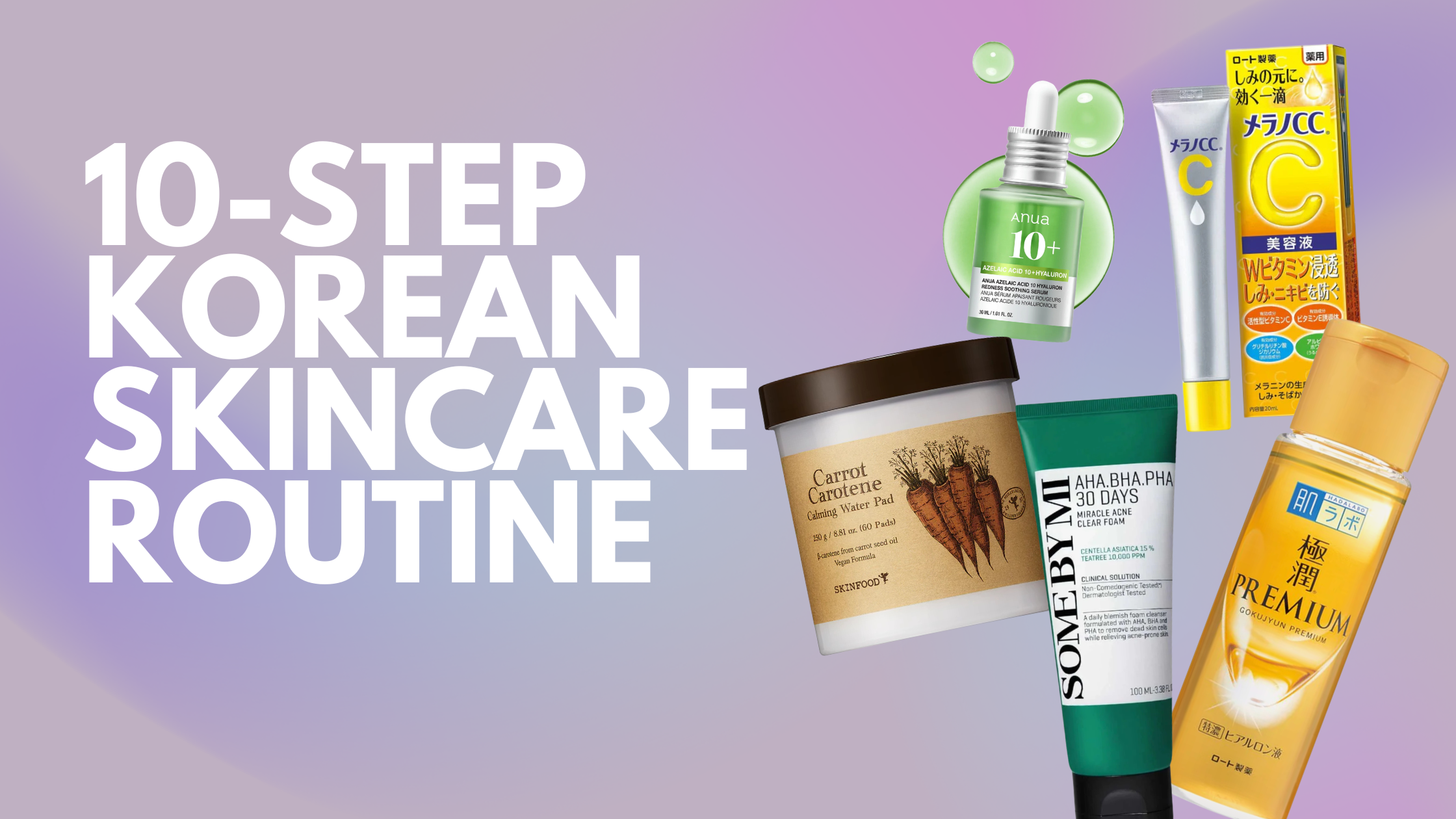
The famous “10 step” skincare routine from Korean beauty often sounds intimidating. Many people imagine it means applying ten products every morning and night. That is not the goal.
The philosophy behind Asian skincare is layering lightweight products that support the skin barrier and address specific concerns. The steps simply show the order products are usually applied, not a strict rule you must follow.
A good routine can be as simple as three or four steps.
Below is a beginner friendly breakdown of each step, what it does, and whether you actually need it.
Step 1: Oil Cleanser or Makeup Remover (First Cleanse)


What it is
An oil cleanser or cleansing balm dissolves makeup, sunscreen, and excess oil on the skin.
Why this step matters
Makeup, SPF, and sebum are oil based. Oil cleansers bind to those oils and break them down so they rinse away easily.
How to use it
Apply the oil cleanser to dry skin with dry hands.
Gently massage it across the face for about 30 to 60 seconds to dissolve makeup and sunscreen.
Add a little water to emulsify the cleanser. It will turn milky. Rinse thoroughly with lukewarm water.
Do you need it?
Use this step if you wear makeup or sunscreen.
If you do not wear either, you can skip it and go straight to your regular cleanser.
Step 2: Water Based Cleanser (Second Cleanse)

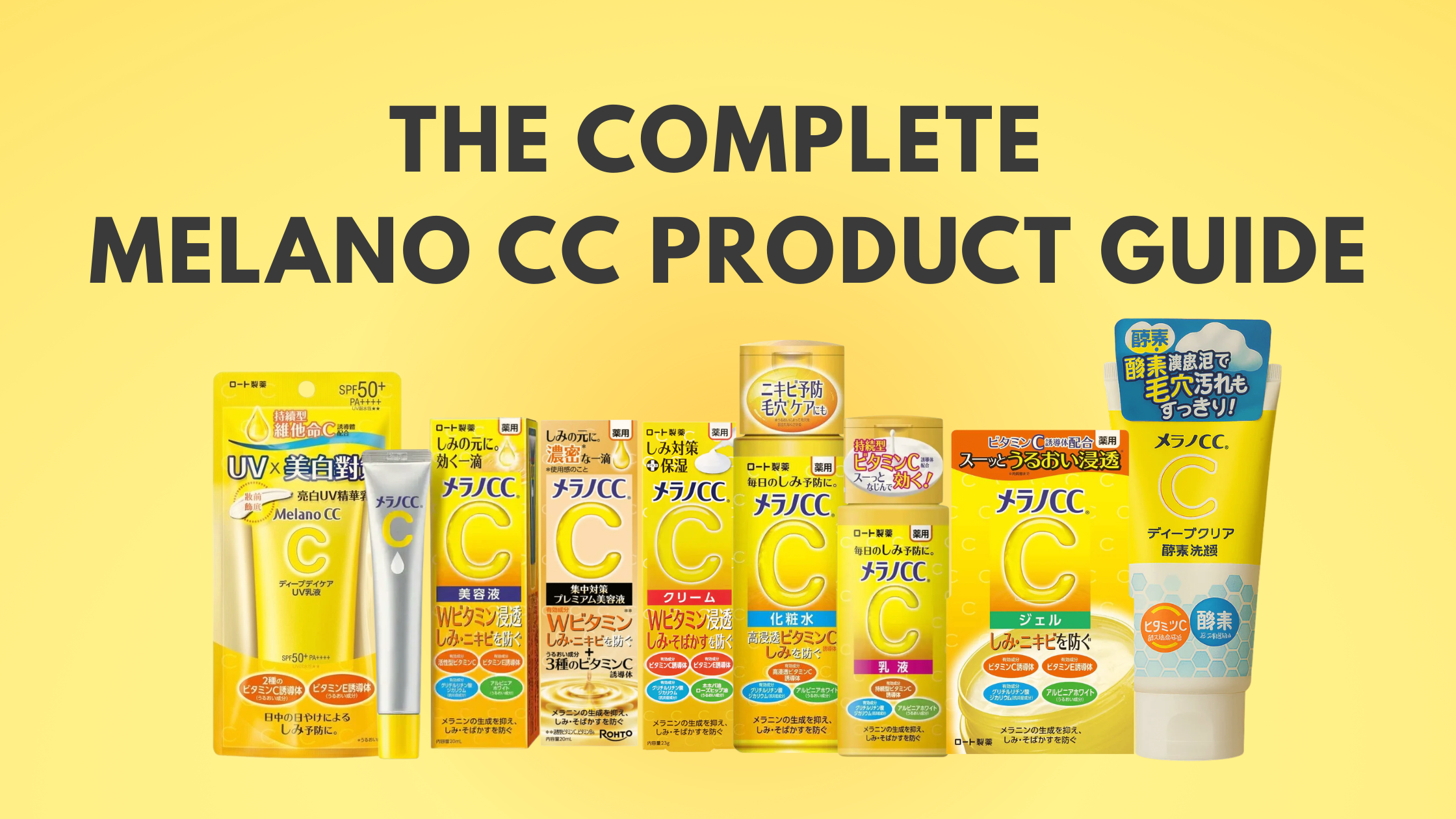
Melano CC Vitamin C Deep Clear Enzyme Face Wash

Kikumasamune Sake Facial Cleanser

Beauty of Joseon Green Plum Refreshing Cleanser
What it is
This is your standard face cleanser. It removes sweat, dirt, and any residue left after oil cleansing.
Common types include gel cleansers, foam cleansers, and cream cleansers.
Why this step matters
This step ensures the skin is fully clean so the rest of your skincare can absorb properly.
How to use it
Apply cleanser to damp skin and gently massage for about 30 seconds.
Focus on areas that tend to collect oil such as the nose and chin.
Rinse with lukewarm water and pat the skin dry with a clean towel.
Do you need it?
Yes. This is one of the core steps in any skincare routine.
Step 3: Exfoliation (Removing Dead Skin Cells)

Beauty of Joseon Green Plum Refreshing Toner : AHA + BHA

SKIN1004 Madagascar Centella Toning Toner

Needly Daily Toner Pad
What it is
Exfoliation removes dead skin cells that accumulate on the surface of the skin.
This can include chemical exfoliants like AHAs or BHAs, enzyme exfoliants, or gentle scrubs.
Why this step matters
Exfoliation helps improve skin texture, unclog pores, and reduce dullness.
How to use it
Use exfoliators after cleansing.
Chemical exfoliants are usually applied to dry skin using a cotton pad or your hands. Leave them on the skin unless the instructions say to rinse.
Physical exfoliants should be massaged very gently for about 20 to 30 seconds before rinsing.
Do you need it?
Yes, but only 1 to 3 times per week. Daily exfoliation is usually unnecessary and can irritate the skin.
Step 4: Toner (Hydrating and Skin Prep Step)


What it is
In Korean skincare, toners are usually hydrating and soothing rather than stripping.
They help rebalance the skin after cleansing.
Why this step matters
Toner adds hydration and helps the skin absorb the next products more effectively.
How to use it
Pour a small amount into your hands or onto a cotton pad.
Gently press or pat the toner into the skin until it absorbs. Many people apply two or three light layers if their skin is dehydrated.
Do you need it?
It is helpful but not essential. Many people skip toner if they prefer a simpler routine.
Step 5: Essence (Lightweight Hydration Layer)


What it is
Essence is a lightweight hydrating product often formulated with fermented ingredients and humectants.
Why this step matters
Essences focus on improving hydration, smoothness, and overall skin health.
How to use it
Dispense a small amount into your hands and gently press it into the skin.
This step should feel light and absorb quickly.
Do you need it?
Essence is optional. Many modern serums provide similar benefits, so this step can be skipped if you want a simpler routine.
Step 6: Serums and Treatments (Targeted Skincare)

Dr. Althea Vitamin C Boosting Serum

Anua Azelaic Acid 10 Hyaluron Redness Soothing Serum

KSECRET SEOUL 1988 Serum : Retinal Liposome 2% + Black Ginseng
What it is
Serums and treatments address specific skin concerns.
Common examples include vitamin C for brightening, niacinamide for oil control, or retinol for fine lines.
Why this step matters
This is where you customize your routine based on what your skin needs.
How to use it
Apply a few drops to the face and gently press it into the skin.
Allow the product to absorb for about 30 seconds before moving to the next step.
Do you need it?
Only if you want to treat a specific concern. One well chosen serum is usually enough.
Step 7: Sheet Masks (Optional Hydration Boost)

Biodance Bio Collagen-Real Deep Mask

Ishizawa-Lab Keana Rice Mask

Quality 1st Derma Laser Super Glutathione 100 Mask
What it is
Sheet masks are fabric masks soaked in serum that sit on the skin for about 10 to 20 minutes.
Why this step matters
They deliver a temporary boost of hydration and soothing ingredients.
How to use it
Apply the sheet mask after toner or essence.
Leave it on for about 15 minutes, then remove it and gently pat the remaining essence into the skin.
Do not rinse your face after.
Do you need it?
No. Sheet masks are optional and often used once or twice a week.
Step 8: Eye Cream (Targeted Care for the Eye Area)

SANA Soy Milk Wrinkle Care Eye Cream

Mary&May Tranexamic Acid + Glutathione Eye Cream

Hada Labo Gokujyun Premium Hyaluronic Eye Cream
What it is
Eye creams are moisturizers designed for the delicate skin around the eyes.
Why this step matters
The skin around the eyes is thinner and often shows signs of fatigue and aging earlier.
How to use it
Use a small amount about the size of a grain of rice.
Gently tap the product around the orbital bone using your ring finger. Avoid rubbing or pulling on the skin.
Do you need it?
Not always. Many moisturizers can be used around the eyes.
Step 9: Moisturizer (Locking in Hydration)


What it is
Moisturizer helps seal in hydration and maintain a healthy skin barrier.
Why this step matters
This step prevents moisture loss and keeps the skin soft and comfortable.
How to use it
Apply a small amount and gently spread it across the face and neck.
If your skin is dry, you may prefer a cream. If your skin is oily, a gel moisturizer may feel better.
Do you need it?
Yes. Moisturizer is an essential step for nearly every skin type.
Step 10: Sunscreen (Daily Sun Protection)

Biore UV Aqua Rich Watery Essence

Round Lab Birch Moisturizing Sunscreen UVLock SPF 45+ Broad Spectrum

Skin Aqua Super Moisture Barrier UV Gel
What it is
Sunscreen protects the skin from harmful UV rays.
Why this step matters
Sun exposure contributes to premature aging, hyperpigmentation, and skin damage.
How to use it
Apply sunscreen as the final step of your morning routine.
Use about two finger lengths of sunscreen for the face and neck. Reapply every two hours if you are outside.
Do you need it?
Yes. Daily sunscreen is one of the most important steps in skincare.
What a Simple Routine Actually Looks Like
Despite the name, most people do not follow all ten steps.
A beginner routine often looks like this:
Simple Morning Routine
- Cleanser
- Toner or essence (optional)
- Serum or treatment
- Moisturizer
- Sunscreen
Simple Evening Routine
- Oil cleanser if wearing makeup or sunscreen
- Water based cleanser
- Treatment or essence
- Moisturizer
That is usually 4 to 6 steps, not ten.
The purpose of the 10 step routine is flexibility. You add or remove steps depending on what your skin needs.