

@cosme 2026 Mid-Year Best Cosmetics Awards
The Best Japanese Skincare of 2026: All 5 @cosme Award Winners Explained
Japan just voted on the best Japanese skincare of 2026. Here is every @cosme award winner, what each product does, and which one belongs in your routine.
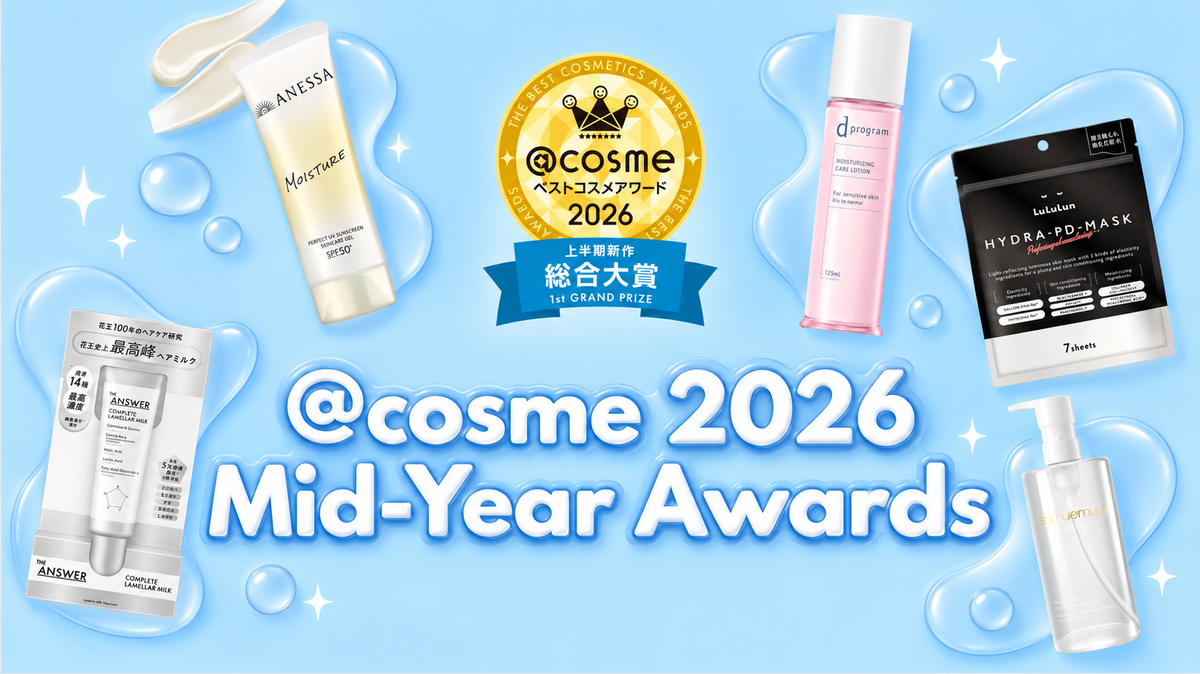
If you are looking for the best Japanese skincare of 2026, Japan has already answered the question for you. Twice a year the @cosme awards run the closest thing the beauty world has to a popular vote. It's based on hundreds of thousands of real reviews from people who bought the products with their own money.
The results for the first half of 2026 are in. Five Japanese beauty products took the top spot in their categories: a cleansing oil, a toner, a sunscreen, a sheet mask, and a leave-in hair milk.
This guide walks through all five. What each product is, what makes it different, who it is actually for, and where to start if you can only pick one.
In this guide
- What are the @cosme Best Cosmetics Awards?
- Best Japanese cleanser: Shu Uemura Bright Cleansing Oil
- Best Japanese toner: d program Moist Care Lotion EX
- Best Japanese sunscreen: Anessa Perfect UV Skincare Gel
- Best Japanese sheet mask: LuLuLun Hydra PD Mask
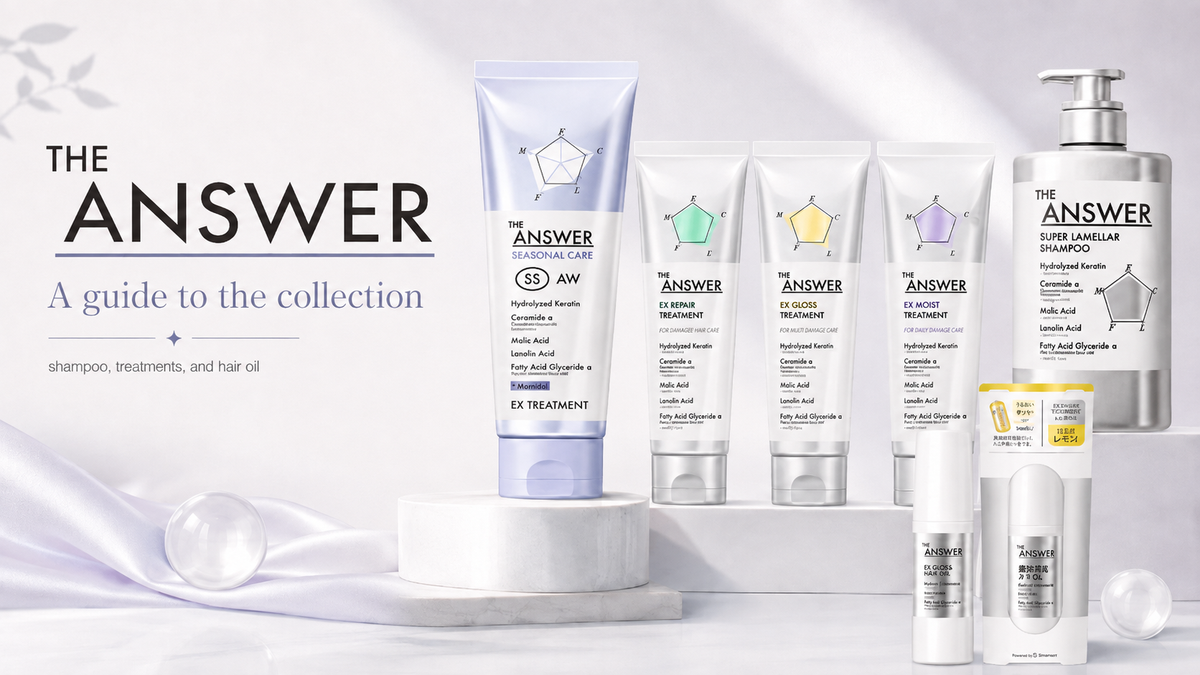
- Best Japanese hair treatment: THE ANSWER Complete Lamella Milk
- How to pick the right product for your concern
- FAQ
What are the @cosme Best Cosmetics Awards?
@cosme is Japan's largest beauty review platform. It has been running since 1999, and the awards have been announced every year since 2000. Winners are chosen from member reviews, which means the ranking reflects what ordinary shoppers actually repurchased, not what a brand paid to promote.
The first-half awards are the new-product awards. Only products released between October 1, 2025 and March 31, 2026 were eligible. This round was the biggest yet: 4,334 eligible products and 128,800 reviews counted, both record highs.
The results were announced on May 20, 2026.
Why this matters if you are shopping J-beauty from the US: Japanese drugstores carry hundreds of products that never make it to American shelves, and it is hard to tell what is genuinely good from what is simply well marketed. The @cosme list is the cleanest shortcut there is. If something wins its category here, a very large number of Japanese shoppers have already tested it for you.
Best Japanese cleanser 2026: Shu Uemura Bright Cleansing Oil
Shu Uemura is the brand that made cleansing oil a category. Founded by the Japanese makeup artist of the same name, the house has been refining cleansing oils for 58 years, and in Japan a bottle of Shu Uemura cleansing oil on the shelf is a bit of a status marker. It is the step people are willing to spend on, because in a country where double cleansing is standard, the first cleanse does a lot of work.
Shu Uemura Bright Cleansing Oil (150ml / 450ml)

Best for: Dull, tired-looking skin. Heavy makeup days.
This is the newest addition to the Shu Uemura cleansing oil family, and it is built around dullness rather than just makeup removal. The formula pairs standard oil cleansing with what the brand calls a Bright Complex: sake lees extract, a fermented ingredient long used in Japanese skincare, alongside bifida ferment and a stable vitamin C derivative that brightens skin over time.
The practical difference is in the texture. It is watery and thin rather than thick and slippery, which means makeup lifts off with very little rubbing. That matters more than it sounds. Friction is one of the most common causes of irritation in a cleansing routine, and a thinner oil simply asks less of your skin.
It also emulsifies and rinses clean on its own, so most people find they do not need a follow-up foaming cleanser at all. Massage a pump or two onto dry skin, add a little water to turn it milky, then rinse with lukewarm water.
Good for: Full makeup and sunscreen removal, dull or rough-textured skin, anyone tired of a two-step cleanse.
Skip if: You wear little to no makeup and a simple gel cleanser already keeps your skin comfortable.
Tip: Use it on completely dry hands and a dry face. Water on your hands stops the oil from breaking down makeup properly.
The most repeated comment in the reviews is about how skin feels afterward: moisturized and supple rather than tight and squeaky. Reviewers also mention that dullness fades and the rough, congested texture around the nose smooths out with regular use.
Best Japanese toner 2026: d program Moist Care Lotion EX
d program is Shiseido's sensitive skin line, and it is built on more than fifty years of Shiseido's dermatological research into reactive skin. In Japan it occupies the space that a dermatologist-recommended drugstore brand occupies in the US: not glamorous, not trend-driven, just the thing people reach for when their skin has stopped cooperating.
This year it did something no sensitive skin product usually does. It won the overall grand prize, beating every other beauty product released in Japan during the entire six-month window. It also took first place for best new toner, first in the mid-price toner category, and first in @cosme's own shop hit ranking. Five awards from one product.
d program Moist Care Lotion EX (125ml)

Best for: Sensitive, dry, or reactive skin.
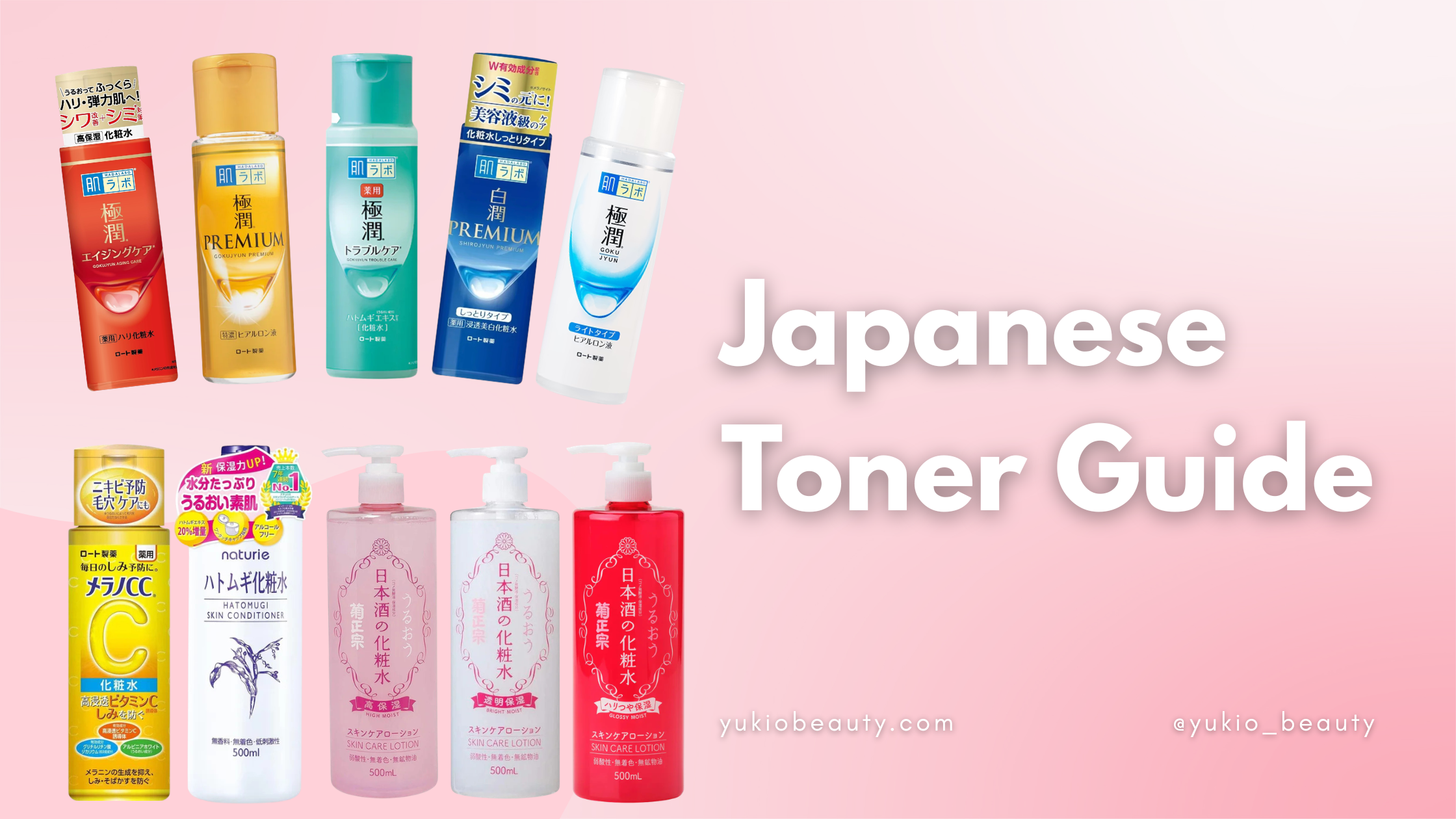
First, a translation note that trips up almost every American shopper. In Japanese skincare, lotion means toner. It is a watery liquid you apply after cleansing, not a thick body cream. Moist in a Japanese product name means deeply hydrating, not greasy.
This one is classified as a quasi-drug in Japan, which means it contains active ingredients recognized by Japan's Ministry of Health, Labour and Welfare, in this case for preventing dryness and rough, irritated skin. That is a stricter standard than a regular cosmetic has to meet.
What changed in the October 2025 reformulation is the approach. Older sensitive skin products mostly worked by topping up the barrier ingredients your skin was missing. This version shifts focus to supporting the skin's own beneficial microbes, the bacteria that live on your skin and keep the barrier working around the clock. Same bottle size, same low-irritation design, different underlying idea.
Good for: Skin that gets tight and flaky in winter, reacts to seasonal changes, or stings with most toners.
Skip if: Your skin is oily and resilient and you are mainly looking for an exfoliating or brightening toner. This one is built to calm, not to treat.
Tip: Pat it in with your palms rather than sweeping it on with a cotton pad. Cotton adds friction, which is exactly what sensitive skin does not need.
Reviewers describe it as a safe haven, which is a striking phrase to see repeated so often. The specific praise is that it does not sting, even during seasonal changes or when skin is already upset. The texture is rich but absorbs well, the hydration lasts without feeling greasy, and dryness and rough patches settle down, leaving skin plump and smooth.
Why did a sensitive skin toner beat everything else in Japan? The 2025 to 2026 season was unusually hard on skin. Record low rainfall, an early pollen season starting in early February, and prolonged heat driving up UV exposure all landed at once. Mentions of dryness in @cosme reviews hit a five-year high, and around a third of surveyed users said their dryness concerns got worse. When everyone's barrier is struggling, the product that calms things down wins.
Best Japanese sunscreen 2026: Anessa Perfect UV Skincare Gel
Anessa is Shiseido's dedicated sunscreen brand and the best-selling sunscreen line in Japan. It launched in 1992 and built its reputation on water resistance, which is why for years it was the one people packed for the beach and left in the drawer the rest of the year. The gold bottle is genuinely iconic in Japan.
The catch was always texture. Anessa protected beautifully and felt heavy doing it. That is the thing this new version set out to fix.
Anessa Perfect UV Skincare Gel NB (40g / 90g)

Best for: Face and body. Hot, humid, sweaty days.
It is rated SPF 50+ PA++++, which is the highest protection Japan awards on both scales. The plus signs measure UVA protection specifically, and UVA is the type responsible for aging and dark spots. Four plus signs is the ceiling. It is also super waterproof, so it holds up through swimming and sweating rather than sliding off by lunchtime.
The formula includes a technology Anessa calls auto moist balance, which responds to temperature changes to keep the skin's moisture level steady through the day. In plain terms: it does not dry your skin out the way a high-SPF sunscreen usually does. It washes off with regular face wash, no dedicated remover needed, and it doubles as a makeup base.
Gel vs milk: Choose the gel for light, fast, everyday wear on face and body. Choose the Anessa milk if you prefer a creamier texture and want maximum staying power for a full day outdoors. Both are SPF 50+ PA++++.
The reviews all circle the same point, which is that it does not feel like sunscreen. It spreads easily, it is not sticky, it leaves no white cast, and makeup goes over the top without pilling. The detail that comes up over and over, and that almost no brand advertises, is that it does not leave white marks on clothing.
Best Japanese sheet mask 2026: LuLuLun Hydra PD Mask
LuLuLun launched in 2011 with an idea that reshaped the Japanese mask market: sheet masks should be an everyday step, not a weekly treat. Instead of selling one expensive mask in a foil pouch, LuLuLun sells them in packs of seven and twenty-eight, priced so you can use one every night without thinking about it. It is now the best-known face mask brand in Japan.
The Hydra PD Mask took first place for best new sheet mask, first in the mid-price mask category, and placed fifth overall across every product in the awards.
LuLuLun Hydra PD Mask (7 sheets)

Best for: Skin that looks flat or has lost its bounce. Daily use, morning or night. All skin types.
PD stands for PDRN, the ingredient currently everywhere in both Korean and Japanese skincare. It is prized for helping skin look firmer and more elastic. What makes this mask different from most PDRN products is that it uses two versions at different molecular sizes: a smaller plant-derived one and a larger salmon-derived one, listed on the label as DNA-Na.
Around that sit the supporting ingredients: panthenol, which is vitamin B5 and soothes and conditions, water-soluble collagen for a plumper feel, niacinamide, which is vitamin B3 and evens tone and reduces the look of pores, and ginseng root extract for radiance.
Use it after cleansing and toning. Leave it on for five to ten minutes, then remove the sheet, fold it, and wipe any remaining essence into your skin. It is designed for daily use rather than once a week, which is the whole reason the pack sizes are what they are.
Good for: Building results through consistency, skin that feels slack or lacking bounce.
Tip: The essence is generous. Whatever is left in the packet goes on your neck, chest, and the backs of your hands. Do not throw it out.
Reviewers consistently mention that the sheet is soft and thoroughly soaked but does not drip, and that it clings closely enough that you can put it on and go blow-dry your hair without it sliding off or drying out. The most useful piece of feedback: the hydration is still there the next morning, and makeup applies better the day after.
This one is in stock now. The LuLuLun Hydra PD Mask is available at Yukio Beauty in a 7-piece pack, and you can browse the rest of the LuLuLun range here.
Best Japanese hair treatment 2026: THE ANSWER Complete Lamella Milk
THE ANSWER is Kao's premium hair line, launched in 2025 and built on a hundred years of the company's hair research. Kao is one of Japan's largest personal care manufacturers, the parent company behind Biore and Curel, and THE ANSWER is the line where they put their most advanced formulation work. It is sulfate-free, silicone-free, and aimed squarely at damaged and heat-styled hair.
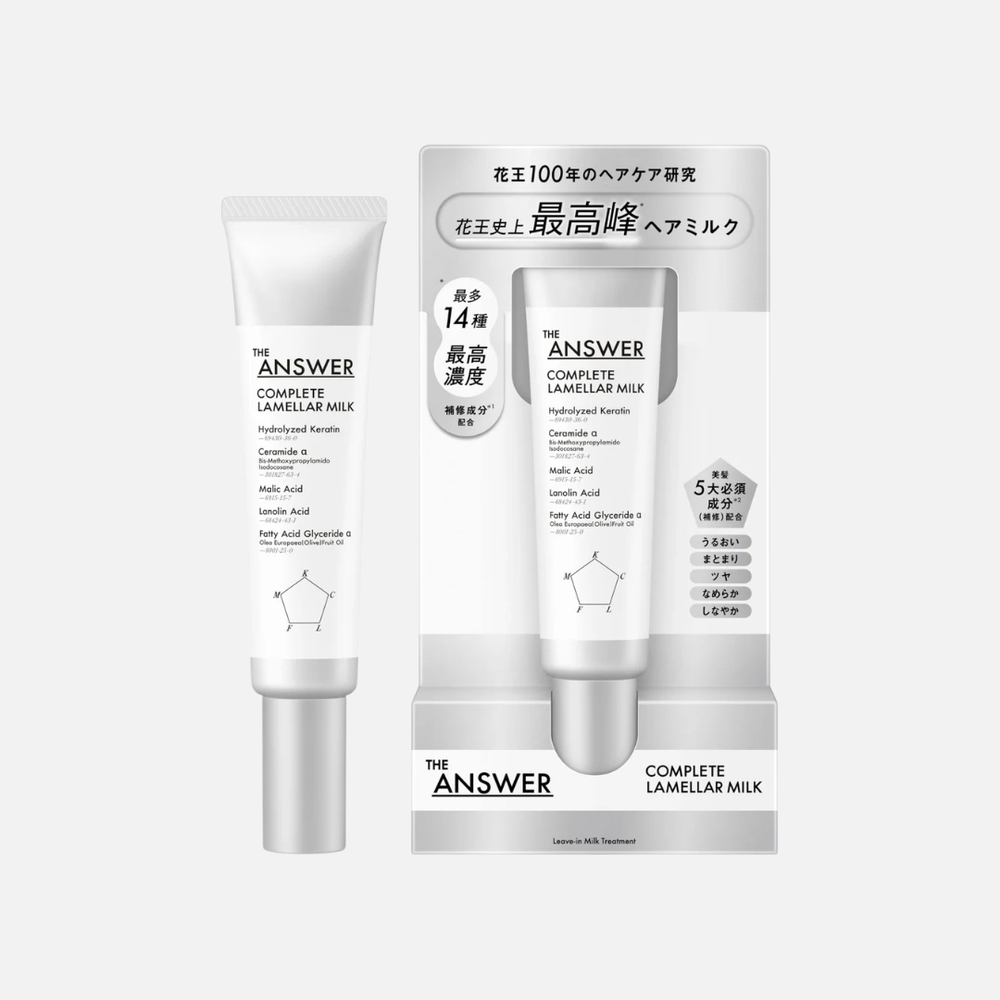
THE ANSWER Complete Lamella Milk by Kao (70g)
Best for: Heat-styled, colored, or dry hair.
This is a leave-in treatment, and the first thing to know is the timing. It goes on damp hair before you blow dry, not on dry hair afterward. That is the opposite of how most people use a hair oil, and it is the single most common mistake with this product.
Kao calls it their highest-grade hair milk because it carries fourteen repair ingredients, the most they have put into any one product. Five of those are the ones Kao defines as essential for healthy hair: hydrolyzed keratin from wool, a ceramide that rebuilds the hair's protective layer, malic acid, lanolin fatty acid, and an olive-derived fatty acid glyceride.
The lamella in the name refers to how those ingredients are held. The milk is structured in layers, and the care ingredients sit inside those layers until heat and movement release them into the hair as you dry. It is the same technology behind the Super Lamellar shampoo line, applied to a leave-in.
Amounts matter here. Two to four pumps for short hair, four to six for medium, six to eight for long. Work it through with your fingers until nothing white is left, then dry from the roots down.
Milk vs oil: Choose the milk if your hair is fine, or if oil leaves your roots looking greasy while your ends stay dry. Choose an oil if your hair is thick, coarse, or very damaged and can take the extra weight. You can also use both: milk on damp hair first, oil on dry hair after.
Note: The scent is bergamot and daphne, and reviewers describe it as mild rather than strong, which is worth knowing if fragrance in hair products usually bothers you.
The praise in the reviews is about how it behaves rather than how it sounds. The texture is light and blends into hair instead of coating it, hair comes out smoother after blow-drying, and it is still manageable the next morning. The vacuum pump tube and the value for the size also come up often.
Already on the site: While this specific milk is not in stock, you can shop the rest of the THE ANSWER range at Yukio Beauty, including the Super Lamellar EX Care and Coat Oil, which uses the same lamellar technology in an oil format.
How to pick the right Japanese beauty product for your concern
Five winners across five categories is a lot to take in at once. Here is the shorter version, organized by what you are actually dealing with.
If your skin is sensitive or reactive:
- The award winner: d program Moist Care Lotion EX, a quasi-drug toner built for skin that stings easily
- Shop the category at Yukio Beauty: Sensitive skin products and Curel, Kao's sensitive skin line and the closest equivalent we carry
If your skin looks dull or flat:
- The award winner: LuLuLun Hydra PD Mask, for firmness and radiance in a daily format: shop it here
- Also worth a look: our full Japanese sheet mask collection
If you struggle to wear sunscreen every day:
- The award winner: Anessa Perfect UV Skincare Gel, SPF 50+ PA++++ in a non-sticky gel
- Shop the category at Yukio Beauty: Japanese sunscreen, including the Anessa range
If your cleanser leaves your skin tight:
- The award winner: Shu Uemura Bright Cleansing Oil, a watery oil that rinses clean without a second cleanse
- Shop the category at Yukio Beauty: Oil-based cleansers
If your hair is heat or color damaged:
- The award winner: THE ANSWER Complete Lamella Milk, a leave-in for damp hair before drying
- Shop the category at Yukio Beauty: Styling and treatments and hair oils
If you only try one: Start with the LuLuLun Hydra PD Mask. It is the cheapest entry point of the five, it is the one you will notice fastest because sheet masks give same-day results, and at seven sheets it is a low-commitment way to find out whether PDRN does anything for your skin before you spend serum money on it.
FAQ: common questions about Japanese beauty awards
Is @cosme the same as Sephora?
Not quite. @cosme started as a beauty review platform, and that is still the core of it, though it now also runs online and physical stores. The closest American comparison is a site like Reddit's skincare communities crossed with a retailer. The awards come from member reviews rather than editorial picks, which is what makes them worth following.
What does "first half" mean in the @cosme award name?
@cosme runs two award cycles. The first-half awards cover new products released between October and March and function as a new-product prize. The annual awards, announced later in the year, cover everything. So these five winners are all launches from the past six months, not long-standing bestsellers.
What is PDRN and is it safe?
PDRN is a DNA-derived ingredient, most often sourced from salmon, that has become popular in Korean and Japanese skincare for supporting skin elasticity and a firmer look. In leave-on and rinse-off cosmetics it is well tolerated by most skin types. If you have a fish allergy, check the ingredient list, since the salmon-derived version appears as DNA-Na.
Why does the d program product say "lotion" when it is a toner?
It is a translation quirk. In Japanese skincare, lotion refers to the watery liquid applied straight after cleansing, which is what Americans call a toner or an essence. It is never a thick body lotion. You will see the same convention on Hada Labo, Melano CC, and most other Japanese brands.
Does "brightening" mean skin lightening in Japanese skincare?
No. When a Japanese product says whitening or brightening, it means improving clarity and radiance, and reducing dullness and dark spots. It does not mean changing your natural skin tone. This is one of the most misunderstood pieces of Japanese beauty language, and the products work through ingredients like vitamin C and fermented extracts, not bleaching agents.